3D Multilayer Letter A Graphic: Strategic Use for Creative and Professional Projects
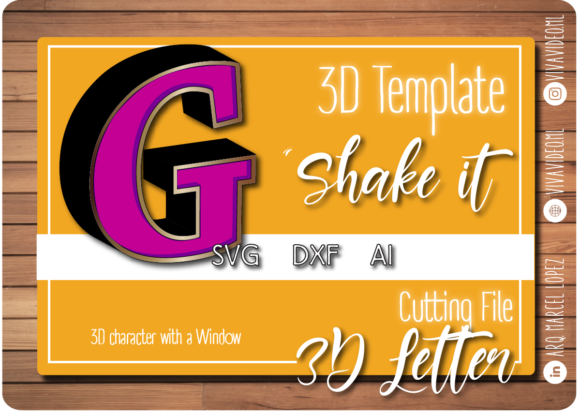
The 3D Multilayer Letter A Graphic is a versatile, downloadable design file that brings dimensionality and visual impact to any project. Ideal for shadow boxes, wall art, door decor, or layered displays, this graphic features multiple layers with varying depths and colors, allowing users to create stunning three-dimensional lettering using digital cutting tools like Cricut or Silhouette. While the primary format is for cardstock, the adaptability of SVG, DXF, and EPS files makes it compatible with various materials and software platforms.
Why 3D Multilayer Lettering Matters in Design
In an era where visual content drives engagement and perception, the 3D Multilayer Letter A Graphic offers a unique way to stand out. Whether you're branding your business, personalizing home spaces, or creating professional signage, adding depth through layering enhances aesthetics and communicates intentionality. This type of design isn’t just about looking good; it’s about making a strategic impression that aligns with your brand identity or creative vision.
For professionals such as marketers, educators, entrepreneurs, and small business owners, having a tool that can be easily customized and scaled is invaluable. The ability to adjust size, color order, and material compatibility means the same file can serve multiple purposes—from a minimalist wall hanging to a vibrant event display—without requiring additional design work.
Strategic Applications Across Industries
Let’s explore how thoughtful integration of the 3D Multilayer Letter A Graphic can support different strategic goals:
- Branding and Marketing: Use layered letters to reinforce your brand's visual language. For instance, a boutique might use a custom-colored "A" on their storefront window to maintain consistency with their logo while drawing attention with its 3D effect.
- Interior Design: Home decorators can leverage these graphics to add personalized touches to walls, doors, or furniture. A layered "A" can become the centerpiece of a nursery, a feature above a bookshelf, or even part of a gallery wall.
- Event Planning: Wedding planners, venue designers, or corporate event coordinators can incorporate 3D multilayer letters into signage, welcome boards, or photo backdrops. These elements are eye-catching yet easy to produce in bulk using compatible cutters.
- Education and Workshops: Teachers and trainers can create interactive learning materials. For example, a classroom alphabet chart featuring a tactile 3D “A” helps students grasp concepts through both sight and touch.
- Freelance Creatives: Artists and hobbyists can experiment with lighting effects, textures, and color gradients by adjusting the order and spacing of each layer, leading to one-of-a-kind pieces.
Planning Tips for Effective Use
To maximize the value of the 3D Multilayer Letter A Graphic, start with a clear plan. Ask yourself: What message am I trying to convey? How does this align with my overall design or branding strategy? Will the material choice reflect the desired durability and finish?
- Define Purpose: Decide whether the graphic will be used for decoration, signage, educational tools, or branding. Each purpose may require a different approach to layering and presentation.
- Select Appropriate Materials: If you’re cutting on cardstock, ensure your cutter is set to handle intricate designs. Using the correct settings prevents misalignment or tearing, especially when working with thin layers.
- Consider Lighting and Placement: A 3D letter placed under directional lighting can cast shadows that enhance its dimensional appeal. Think about how ambient light in the space will interact with the layers.
- Test Assembly: Before finalizing a large batch, test the assembly process with one unit. Start with the darkest layer at the bottom and build upward to the lightest, using glue dots or spacers for stability.
When to Rely on 3D Multilayer Letter Graphics
These graphics are particularly useful in projects that benefit from tactile and visual depth. They shine in situations where you want to elevate a simple message into something memorable. For example:
- Creating a branded entrance for a pop-up shop or office.
- Designing custom name tags or awards for internal recognition programs.
- Producing educational aids for early childhood learning or special needs classrooms.
- Enhancing wedding invitations, thank-you cards, or party decorations with a 3D accent letter.
However, they may not always be the best solution. Avoid using them if the context requires flat, minimalistic design or if the environment lacks proper support for layered structures. Overuse can also dilute their impact, so apply them intentionally.
Real-World Examples of Intentional Use
Here are a few examples of how different industries have successfully integrated 3D multilayer letter graphics into their workflows:
- Entrepreneurs: A fitness studio owner uses a bold, gold-plated 3D “A” as a focal point in their logo display, reinforcing their premium positioning.
- Bloggers and Publishers: A lifestyle blog creates a themed header for a post titled “The Art of Ambition,” using a 3D “A” to symbolize aspiration and excellence.
- Educators: A language teacher builds a tactile alphabet poster using layered letters, helping visually impaired students learn phonics through touch.
- Freelancers: A graphic designer offers clients customizable 3D letter templates for DIY gifts, increasing repeat sales and customer satisfaction.
How to Approach Customization and Assembly
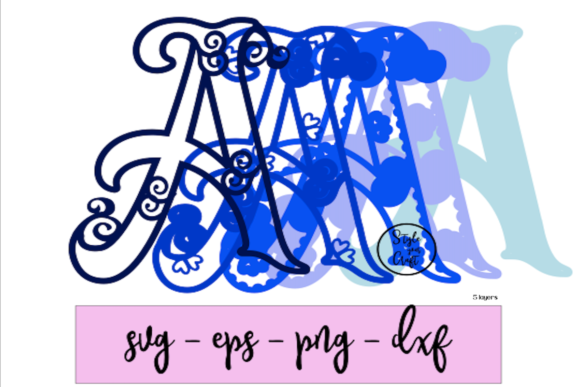
Customization is key to unlocking the full potential of the 3D Multilayer Letter A Graphic. Since it's a downloadable file, users have the freedom to adjust dimensions and colors to suit their needs. To resize the graphic, simply select all five aligned layers and either drag the sizing corner or input new measurements directly into your software. Bear in mind that reducing the size too much may compromise structural integrity, especially with delicate cardstock.
Assembly follows a straightforward but precise method. Cut each layer individually, then stack them starting with the darkest at the base and finishing with the lightest on top. Use glue dots or spacers between layers to maintain depth and alignment. While the provided instructions suggest a specific sequence, feel free to innovate based on your creative direction—for instance, reversing the color order for a modern look or blending gradients across layers.
What to Consider Before Cutting and Assembling
Before diving into production, consider these factors to avoid common pitfalls:
- Material Thickness: Thinner materials like vellum or foil may require more careful handling and possibly double-cutting to prevent breakage.
- Layer Spacing: Too little space between layers can flatten the 3D effect. Too much may cause instability. Aim for consistent gaps during assembly.
- Software Compatibility: Ensure your design software supports SVG, DXF, or EPS formats. Some platforms may need additional plugins or updates.
- Tool Settings: Adjust your cutter for intricate details. Test cuts help confirm that the machine can handle the complexity without skipping lines.
- Storage and Transport: If you're planning to ship or store assembled units, secure them with backing material or protective casing to prevent damage.
Risks of Using Without Clear Goals
While the 3D Multilayer Letter A Graphic is undeniably appealing, using it without a defined objective can lead to wasted time and resources. Without a clear understanding of the target audience or the intended outcome, the result may lack coherence or fail to resonate emotionally. For example, placing a flashy 3D “A” in a minimalist workspace could clash with the established aesthetic and confuse messaging.
Additionally, improper resizing or layering can compromise the design’s structure. If the layers become too thin or the spacing inconsistent, the 3D illusion may be lost. Always approach customization with a goal in mind—whether it’s enhancing visibility, improving user experience, or supporting a specific theme.
Long-Term Value and Reusability
One of the most strategic benefits of the 3D Multilayer Letter A Graphic is its reusability. Unlike physical items, downloadable files can be repurposed for future projects. You can save variations in different sizes, colors, or configurations to streamline production for events, marketing campaigns, or client requests.
As part of a long-term design strategy, these graphics can evolve alongside your brand. For instance, a startup might begin with a simple black-and-white version for cost-effectiveness and later transition to metallic finishes as their budget allows. Maintaining a library of such assets ensures continuity and saves time during creative planning cycles.
Decision-Making Guidance for Maximum Impact
Using the 3D Multilayer Letter A Graphic effectively requires a balance of creativity and pragmatism. Here’s how to make better decisions when integrating it into your work:
- Assess Audience Needs: Is your audience drawn to bold visuals, subtle elegance, or interactive experiences? Choose your color scheme and placement accordingly.
- Align With Brand Messaging: The letter should reflect the tone and values of your brand. A playful gradient may suit a children’s brand, whereas a monochrome design might align better with a luxury label.
- Plan for Scalability: If you anticipate needing more units or other letters, invest in a quality cutter and organize your files for easy access and reuse.
- Experiment Thoughtfully: Don’t be afraid to test different combinations, but do so with a documented process to track what works best for your intended application.
Final Thoughts on Strategic Integration
The 3D Multilayer Letter A Graphic is more than a decorative element—it's a tool for storytelling, identity expression, and functional design. When used strategically, it can enhance communication, improve brand recall, and add a personal touch to professional environments. But like any resource, its success depends on thoughtful planning and intentional execution.
Whether you're an educator designing tactile learning materials, a marketer crafting immersive brand experiences, or a hobbyist exploring new creative avenues, this graphic provides a foundation for innovation. Take the time to understand its capabilities, limitations, and the broader context in which it will be used. That way, you'll not only create beautiful designs but also achieve meaningful results that support your long-term objectives.