Layered 3D Card SVG, Papercut Wedding: A Guide to Choosing and Using the Right Files
Wedding invitations are more than just a formality—they set the tone for your big day. With the rise of digital design tools and cutting machines, creating custom wedding invites has become accessible and creative. One popular option is the Layered 3D Card SVG, Papercut Wedding, which allows you to craft elegant, multi-layered cards with intricate floral designs and a three-dimensional feel. These files are ideal for those who want a professional look without spending hours on manual crafting.
What Is a Layered 3D Card SVG, Papercut Wedding?
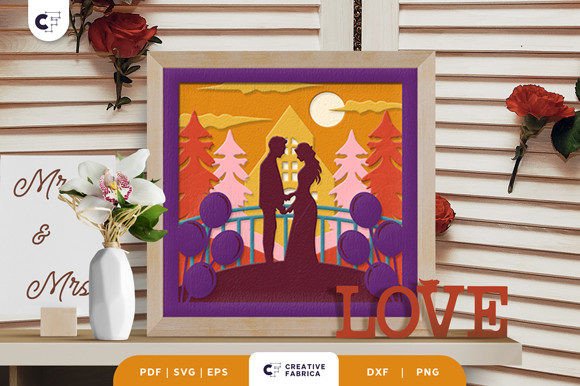
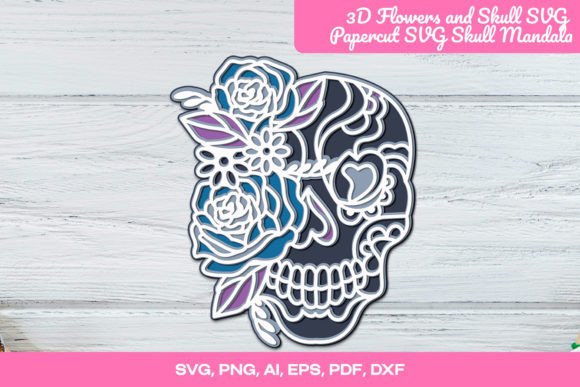
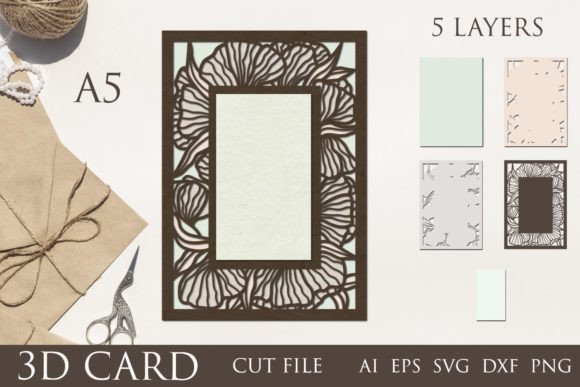
A Layered 3D Card SVG, Papercut Wedding is a digital design file that contains multiple layers of papercut-style artwork. Each layer can be cut separately using compatible software and then assembled to create a visually striking 3D effect. This type of card is especially popular for weddings because it adds depth and sophistication, often featuring delicate flowers, lace-like patterns, or romantic silhouettes.
The design is typically formatted in vector graphics such as AI (Adobe Illustrator), SVG (Scalable Vector Graphics), DXF (Drawing Exchange Format), and EPS (Encapsulated PostScript). These formats allow for high-quality scaling and editing, making them perfect for use with cutting machines like Cricut, Silhouette, or other similar devices. The package also includes PNG files with transparent backgrounds, which are great for previewing how the final product will look when printed or layered.
Common Mistakes When Choosing and Using 3D Card SVG Files
While these digital downloads offer incredible flexibility and creativity, many users make mistakes that lead to frustration or subpar results. Here are some of the most common errors to avoid:
- Not Checking File Compatibility: Before purchasing, ensure your cutting machine and design software support the file types included. Many beginners overlook this step, only to find out later that their machine cannot open certain formats like SVG or DXF.
- Ignoring Layer Organization: The beauty of a layered design lies in its structure. If you don’t properly manage or separate each layer during setup, the final assembly may not reflect the intended 3D look. Always review how the layers are grouped and named within the AI or SVG file.
- Underestimating File Quality: High-resolution images are essential for printing sharp, clean cards. Look for packages that include PNGs at 300 DPI and mention “high res” clearly. Low-res images can cause blurry prints or inaccurate cuts.
- Misunderstanding Scaling Options: While vector files can be resized, not all elements scale perfectly. For example, very thin lines in papercut designs may break if scaled too large. Test the design at different sizes before finalizing your project.
- Assuming All Machines Work the Same: Even if two machines both accept SVG files, the way they interpret them can vary. Always verify the specific settings required for your device—some might need additional steps to recognize nested layers or paths correctly.
How These Mistakes Can Impact Your Project
Making any of the above mistakes can affect the final outcome of your 3D card significantly. Poorly managed layers may result in misaligned parts, ruining the visual harmony. Incompatible file formats can prevent you from even starting the project. And low-quality prints or incorrect scaling can diminish the elegance you're aiming for in your wedding invitation suite.
If you’re planning to sell these cards or give them as gifts, the presentation matters. A flawed card might leave a negative impression on guests or customers, affecting your satisfaction and potentially leading to wasted time and materials.
Practical Tips to Avoid Problems
To help you get the best results from your Layered 3D Card SVG, Papercut Wedding purchase, here are some actionable tips:
- Verify Machine and Software Compatibility: Make sure your cutting machine supports the file types provided. For example, if you have a Silhouette Cameo, check whether it handles SVGs with nested layers effectively. Similarly, if you use Adobe Illustrator, confirm it’s up-to-date enough to open the AI file without issues.
- Open the AI File First: The AI file usually contains all the layers organized neatly. Open it in Adobe Illustrator to see how everything is structured and to adjust colors or dimensions as needed before exporting to other formats.
- Test Print or Cut a Small Section: Before mass-producing your cards, test print one or cut a small portion to check alignment, color accuracy, and overall quality. This helps catch issues early and avoids unnecessary waste.
- Use the Provided PNG for Reference: The PNG file with a transparent background gives you a clear idea of how the layers should fit together. Use it as a guide when assembling the physical pieces after cutting.
- Reach Out if Something Doesn’t Work: If you encounter problems with the file format or setup, contact the seller immediately. Most designers are happy to assist by providing alternative formats or troubleshooting advice.
What You Should Check Before Making a Purchase
Before buying a Layered 3D Card SVG, Papercut Wedding design, consider the following factors to ensure it meets your needs:
- File Formats Included: Confirm the package includes AI, SVG, DXF, EPS, and PNG files. Having multiple options increases your chances of working with a compatible machine or software.
- Resolution and Size: The design should be sized appropriately (like A5: 5.83 x 8.27 inches) and include high-res PNGs (300 DPI) for accurate previews and printing. Layer Clarity: Look for descriptions that mention well-organized layers. Some sellers provide instructions or layer breakdowns in the AI file, which is a huge plus.
- Editability: Ensure the vectors are editable in terms of size and color. This is crucial for customization, especially if you need to match a wedding theme or color palette.
- Customer Support: Choose sellers who offer assistance if something doesn’t work. It’s better to have a responsive creator than to struggle alone with an unusable file.
Better Approaches for Creating Stunning 3D Wedding Cards
Instead of rushing into a purchase, take a few moments to compare options and read reviews. Look for sellers who provide clear information about compatibility and layer structure. Once you’ve selected the right design, follow these best practices:
- Organize Layers in Design Software: Import the AI file into your preferred design tool and rearrange or rename layers if necessary. Labeling layers like “Base,” “Middle Layer – Flowers,” and “Top Layer – Details” can help streamline the process.
- Optimize Colors for Printing: Adjust colors to suit your printer or cardstock. Sometimes, what looks good on screen doesn’t translate well to paper, so testing is key.
- Plan Assembly Carefully: After cutting, arrange the layers in order and glue them precisely. A ruler or template can help align everything correctly for a polished finish.
- Consider Adding Personalization: Use text layers or add handwritten notes to make the card unique to your event. Many SVG files include space for names or dates, but always double-check.
Realistic Example: From Download to Delivery
Imagine you're preparing wedding invitations for a spring-themed celebration. You choose a Layered 3D Card SVG, Papercut Wedding with floral accents. After downloading the ZIP file, you extract the contents and open the AI file to adjust the flower colors to match your bouquet. You export the design to SVG for your Silhouette machine and test-cut a sample. Everything lines up perfectly, so you proceed with the full batch. Finally, you assemble each card carefully and send them off, knowing they’ll impress your guests with their craftsmanship and elegance.
Final Thoughts
The Layered 3D Card SVG, Papercut Wedding is a fantastic resource for anyone looking to elevate their wedding stationery game. Whether you're a seasoned designer or a first-time crafter, understanding the nuances of file formats, layer management, and compatibility can save you time, money, and stress. Take a moment to plan ahead, test your design, and communicate with the seller if needed. With the right approach, your wedding invitations will not only look beautiful but also reflect the care and attention you've put into your special day.