3d Man Head City Shadow Box Laser Cut: A Technical Evaluation of Layered Design Assets
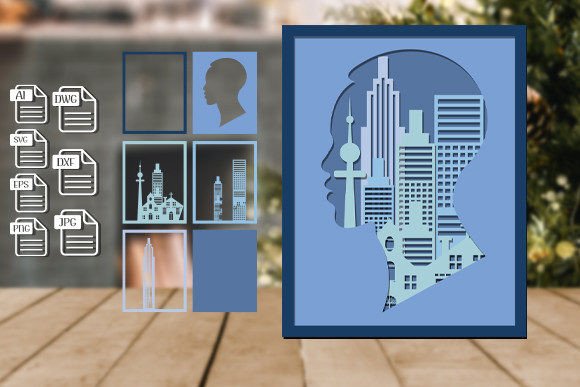
The intersection of digital fabrication and artistic expression has created a robust market for vector-based design files, particularly those intended for laser cutting. Among the most visually striking categories within this niche are layered shadow box designs. These projects utilize depth to create three-dimensional illusions on a two-dimensional plane, requiring precise planning and execution. One specific asset that has drawn attention from both hobbyists and professional designers is the 3d Man Head City Shadow Box Laser Cut. This design combines portraiture with urban architecture, offering a complex layering challenge that tests the limits of precision manufacturing tools.
Evaluating such digital assets requires looking beyond the final image. It involves analyzing the underlying file structure, the logical progression of layers, and the versatility of the formats provided. For professionals using Cricut machines, Glowforge units, or industrial CO2 lasers, the usability of the source file is just as critical as the aesthetic outcome. This analysis explores the practical applications, technical specifications, and potential limitations of this specific layered design package.
Understanding the 3d Man Head City Shadow Box Concept
A shadow box laser cut project is fundamentally an exercise in parallax and depth. By stacking multiple layers of material—typically wood, acrylic, or cardstock—designers can simulate distance and volume. The 3d Man Head City Shadow Box Laser Cut takes this concept further by integrating two distinct visual themes: human portraiture and metropolitan landscapes. The "Man Head" component likely serves as the focal point or foreground element, while the "City" elements provide background context, creating a narrative of urban life or individual identity within a bustling environment.
This dual-theme approach offers significant creative value. Unlike simple geometric patterns or single-subject portraits, this design requires careful consideration of scale and proportion across different depths. The cityscape elements must be simplified enough to remain recognizable when cut at small scales, yet detailed enough to convey texture and atmosphere. The human head, conversely, demands smoother curves and finer detail to capture facial features without excessive fragmentation. Successfully merging these two styles results in a piece that is not merely decorative but also technically impressive.
File Format Versatility and Workflow Integration
The true utility of any digital design file lies in its compatibility with various software ecosystems and hardware platforms. A comprehensive package should cater to users working within different workflows, from casual crafting to professional engineering. The inclusion of multiple file formats in this bundle addresses this need for flexibility.
- SVG File: Essential for cutting machines like Cricut and Silhouette. SVGs are vector-based, allowing for infinite scaling without loss of quality. They are ideal for direct import into machine-specific software where color coding often dictates cut lines versus score lines.
- DWG and DXF Files: These are standard formats for CAD (Computer-Aided Design) and Autodesk applications. Professionals who use AutoCAD, SketchUp, or Fusion 360 will find these formats indispensable. They allow for precise editing, measurement verification, and integration into larger architectural or product design projects.
- AI Vector Files: Adobe Illustrator native files provide maximum editability for graphic designers. Users can manipulate paths, adjust colors, and refine details before exporting to other formats. This is crucial for customizing the design to match specific brand colors or material constraints.
- EPS FILE: Encapsulated PostScript files offer another layer of compatibility, particularly useful for legacy systems or print production workflows that require high-resolution vector data.
- HIGH PNG and JPG FILES: Raster images serve as reference guides. They help users visualize the final assembled product, check alignment, and plan the painting or staining process before committing to expensive materials.
- PDF FILE: Portable Document Format files are excellent for sharing instructions, viewing layer sequences, and printing templates for manual assembly or tracing.
This diverse array of formats ensures that the 3d Man Head City Shadow Box Laser Cut is accessible to a wide range of users. Whether you are a freelancer designing a client presentation, an educator teaching students about digital fabrication, or a small business owner creating merchandise, having access to both vector and raster versions of the asset streamlines the production pipeline.
Technical Execution and Material Considerations
Creating a successful layered shadow box requires more than just accurate cuts; it demands strategic material selection. The complexity of the 3d Man Head City Shadow Box Laser Cut suggests that thinner materials may yield better results for intricate details, while thicker materials might be necessary for structural support or to enhance the perception of depth.
For the cityscape layers, medium-density fiberboard (MDF) or basswood are common choices due to their uniform density and ease of cutting. However, acrylic sheets can introduce a modern, sleek aesthetic, particularly if transparent or translucent varieties are used to simulate windows or glass structures in the city background. The choice of material will influence how light interacts with the final piece, which is a key factor in shadow box art.
Layer registration is another critical aspect. When assembling the design, slight misalignments between layers can disrupt the 3D illusion. Using spacers, glue dots, or a backing board with pre-drilled holes can help maintain consistent spacing. The design’s success depends heavily on the user’s ability to manage these physical variables. While the digital file provides the blueprint, the physical execution relies on patience and precision.
Target Audience and Practical Applications
Who benefits most from acquiring this specific design? The answer varies based on professional goals and personal interests.
Small Business Owners and Entrepreneurs: For those selling handmade goods, this design offers a premium product opportunity. A finished shadow box can command a higher price point than flat prints due to its perceived craftsmanship and complexity. It serves well as wall art, corporate gifts, or unique home decor items.
Educators and Hobbyists: For educators teaching STEM or arts and crafts, this project provides a tangible example of digital-to-physical transformation. It encourages problem-solving regarding layer order, material choice, and assembly techniques. Hobbyists seeking a challenging weekend project will find the multi-layered nature of the 3d Man Head City Shadow Box Laser Cut rewarding.
Marketers and Bloggers: Content creators can use the included PNG and JPG files for blog posts, social media graphics, or marketing materials. The striking visual of a man’s head emerging from a cityscape can symbolize innovation, urban living, or technological advancement, making it a versatile graphic for various thematic content.
Potential Limitations and Best Practices
No digital asset is without its challenges. Complex layered designs often come with steep learning curves. Users unfamiliar with vector editing software may struggle to open or modify AI, DWG, or DXF files. It is advisable to have basic proficiency in tools like Inkscape (free), Adobe Illustrator, or CorelDRAW before attempting to customize the design.
Additionally, the sheer number of layers can increase production time significantly. Each layer must be cut individually, tested for fit, and then assembled. This makes the design less suitable for high-volume, rapid-turnaround manufacturing unless automated nesting software is employed to optimize material usage and cutting paths.
To maximize the effectiveness of the 3d Man Head City Shadow Box Laser Cut, users should start with test cuts on scrap material. This allows for adjustments to laser speed, power, and focus before committing to the final substrate. Furthermore, considering the lighting conditions where the final piece will be displayed can enhance its impact. Backlighting or side lighting can accentuate the shadows and depth, bringing the cityscape and portrait to life in ways that flat lighting cannot.
Conclusion
The 3d Man Head City Shadow Box Laser Cut represents a sophisticated option for those engaged in digital fabrication. Its strength lies not only in its aesthetic appeal but also in the comprehensive suite of file formats provided, ensuring compatibility across a broad spectrum of tools and software. By understanding the technical requirements, material considerations, and assembly nuances, users can leverage this asset to create high-quality, impactful works. Whether for commercial sale, educational demonstration, or personal enrichment, this layered design offers substantial value to serious creators and professionals alike.